
Opportunity
Every child should reach the same starting line: a seat in class, the materials to use it and someone to ask when the work gets hard.
Mumbai, India Community-led impact Sample data
Our story
Hope Foundation is a small education nonprofit in Mumbai. We listen to families and teachers first, then build the tutoring, the computer lab and the school kits that follow — and publish what each one achieved against what it set out to do.
Figures on this page come from our own records, as of 25 September 2026. Hope Foundation is a fictional organisation built for a Salesforce demo, and the dates under Our origin are illustrative.
3Programme areas
61Lives impacted
364Volunteer hours
58Community donors
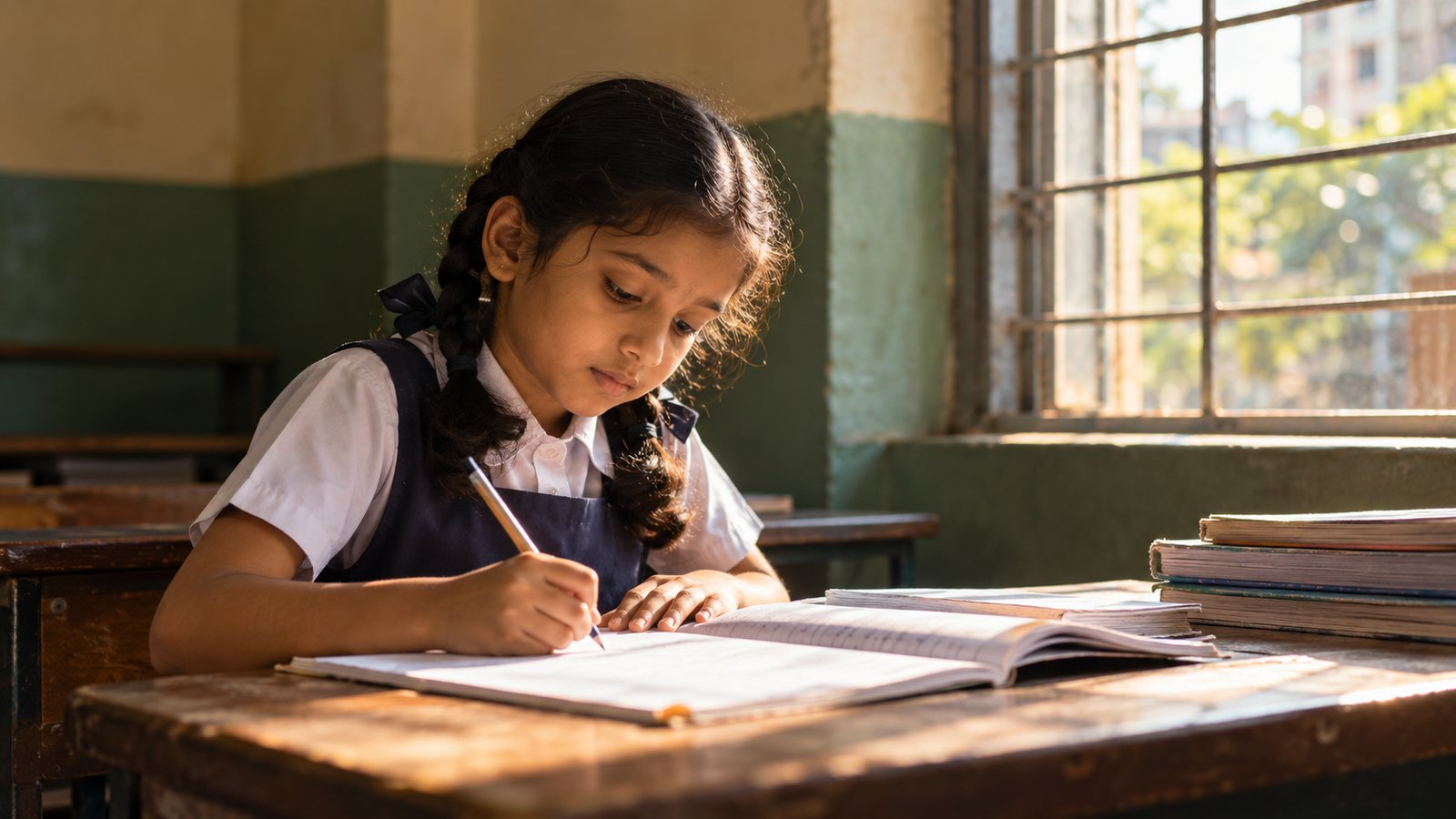
“We started with a simple belief — every child deserves a fair chance to grow.”
Our origin
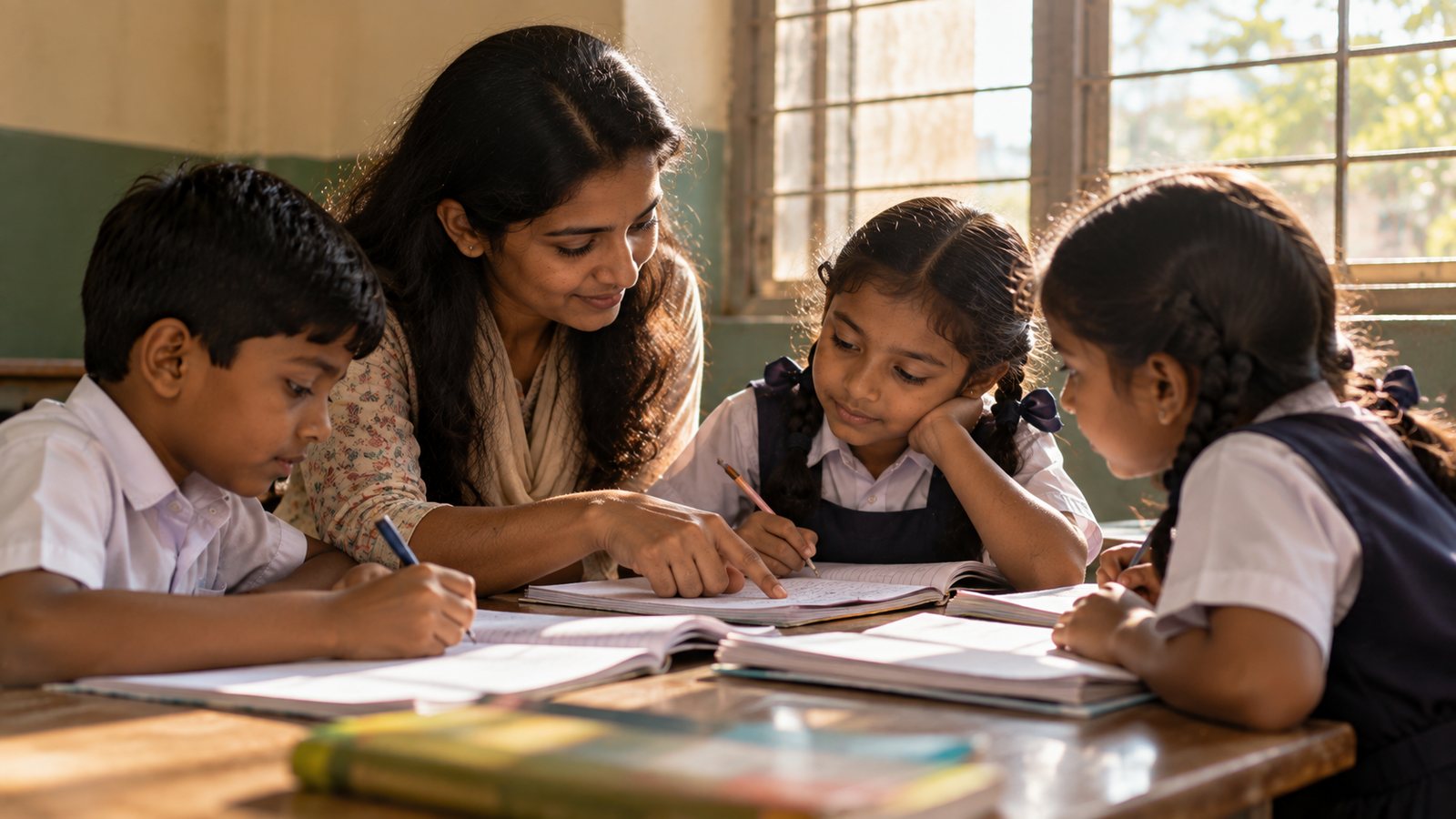
In the story this demo tells, Hope Foundation began with an evening tutoring group in one Mumbai neighbourhood: a handful of volunteers, a borrowed room and a register of girls who were slipping out of school between grades six and ten.
Nothing about that has changed except the scale. Families tell us what is keeping a child out of the classroom — fees, materials, distance, or the hours a girl is expected to work at home. We build the programme around the answer, run it with people who live there, and hold it to a target we publish.
Today that is three programmes across two Mumbai communities, each with its own fund, its own cost per learner and its own outcome indicators.
How we workThese five dates are illustrative, written to give the demo a past. Every figure elsewhere on this page is real data from the demo org’s records.
2020
A small group of volunteers starts an evening tutoring circle for girls in one neighbourhood, working out of whatever room is free.
2021
The circle gets a room of its own and a weekly timetable at the Andheri Community Centre, and the Girls’ Education Programme is written down.
2023
A donated set of computers becomes the community lab at the Dharavi Learning Hub, and a second programme starts alongside the tutoring.
2025
Fees, uniforms and kits are added, so the bill for a school year stops deciding which children walk back through the gate in June.
Today
3 programmes running in 2 Mumbai communities, with 7 outcome indicators reported every quarter.
Why we exist
Across India, children are kept out of a classroom by things that have nothing to do with ability: the cost of a uniform, a lab with no working machines, a bus fare, or an afternoon of housework that never leaves room for homework. We exist to take those barriers away one community at a time.
Our approachEvery child should reach the same starting line: a seat in class, the materials to use it and someone to ask when the work gets hard.
Support is offered without a queue, a label or a photograph. Families choose what they take, and nobody has to perform hardship to receive it.
Communities lead their own change. Timetables, subjects and venues are set by local coordinators, not decided in an office across the city.
How we work
We work with communities, not just for them — listening, building together, delivering locally and then checking, out loud, whether it worked.
See what we measureWe sit with families, teachers and local partners to find out what is actually keeping a child out of the classroom, before anything is designed.
Each programme is co-created with the people who will run it, and with the schools and centres that will host it week after week.
Sessions run in the neighbourhood, staffed by tutors and coaches who live nearby and are paid for their time, with volunteers alongside them.
Every programme carries indicators with a target and a reporting date. We publish what we hit and what we missed, and change the work when the numbers say so.
People behind the work
Six people run the foundation day to day, between the two centres and the office. The roles match the records this demo org actually keeps — programmes, funds, outcomes, volunteers.
Join the teamFounder and Executive Director
Started the first tutoring group and still runs the organisation.
Director of Programmes
Owns the three programmes and the targets they are held to.
Community Partnerships Lead
Works with the schools and centres where sessions run.
Monitoring and Evaluation Lead
Publishes what each programme hit and missed each quarter.
Finance and Compliance Manager
Looks after the funds, the receipts and the expense record.
Volunteer Coordinator
Recruits, screens and rosters every tutor and helper.
Illustrative team. Hope Foundation is a fictional organisation built for a Salesforce demo. Apart from the founder, the people above are invented, and initials are used in place of photographs.
Our journey
Not a wish list: every campaign the foundation has run, oldest first, with what each one raised. 3 are finished, 2 are live and 1 has not opened yet.
View all campaignsFrom the campaign records in our Salesforce, as of 25 September 2026.

Impact at a glance
Small numbers, honestly reported. This is a young organisation working in two neighbourhoods, and these are the people behind every figure on the site.
From our records as of 25 September 2026, across 5 funds. See the full transparency record.
Stories from the people we work with
Three short pieces, one from each programme, about what the work looks like from the inside.
View all storiesWhat we believe
Five rules we hold the work to. They are the reason a target that was missed still appears on this website.
Real change happens when communities lead the way. Local coordinators decide how a programme runs.
Every programme carries indicators with a target. We use the data, and the gaps in it, to guide the work.
Funds, spending and outcomes are published as they are — including the quarters that fell short.
We work with children and families of all backgrounds and abilities, and design sessions so nobody is left at the door.
We would rather run two places properly, year after year, than put pins in ten and leave after one term.
Transparency & accountability
Reports, financials, programme outcomes and the policies that protect the children we work with — open, and published in full.
Donations to eligible institutions may qualify for deduction under Section 80G; a receipt with the foundation’s details is issued for every gift. Name, PAN and address may be required where applicable.
Our partners
The organisations behind the largest gifts in the record. They fund programmes, match their staff’s giving and send teams to pack kits.
Partner with usDemo partners. These organisations exist only in this demonstration; the marks above are neutral placeholders, not logos.
Get in touch
One small office and two centres, so a message reaches a person rather than a queue. Pick the route that fits and we will come back within three working days.
Address, mailbox and registration details are illustrative: this is a fictional organisation built for a Salesforce demo.
Be part of our journey
Two communities, three programmes and a waiting list at both centres. Every gift and every volunteer hour widens the room.